

What Should I Do About Pets During Showings? A Seller's Guide to Four-Legged Family Members
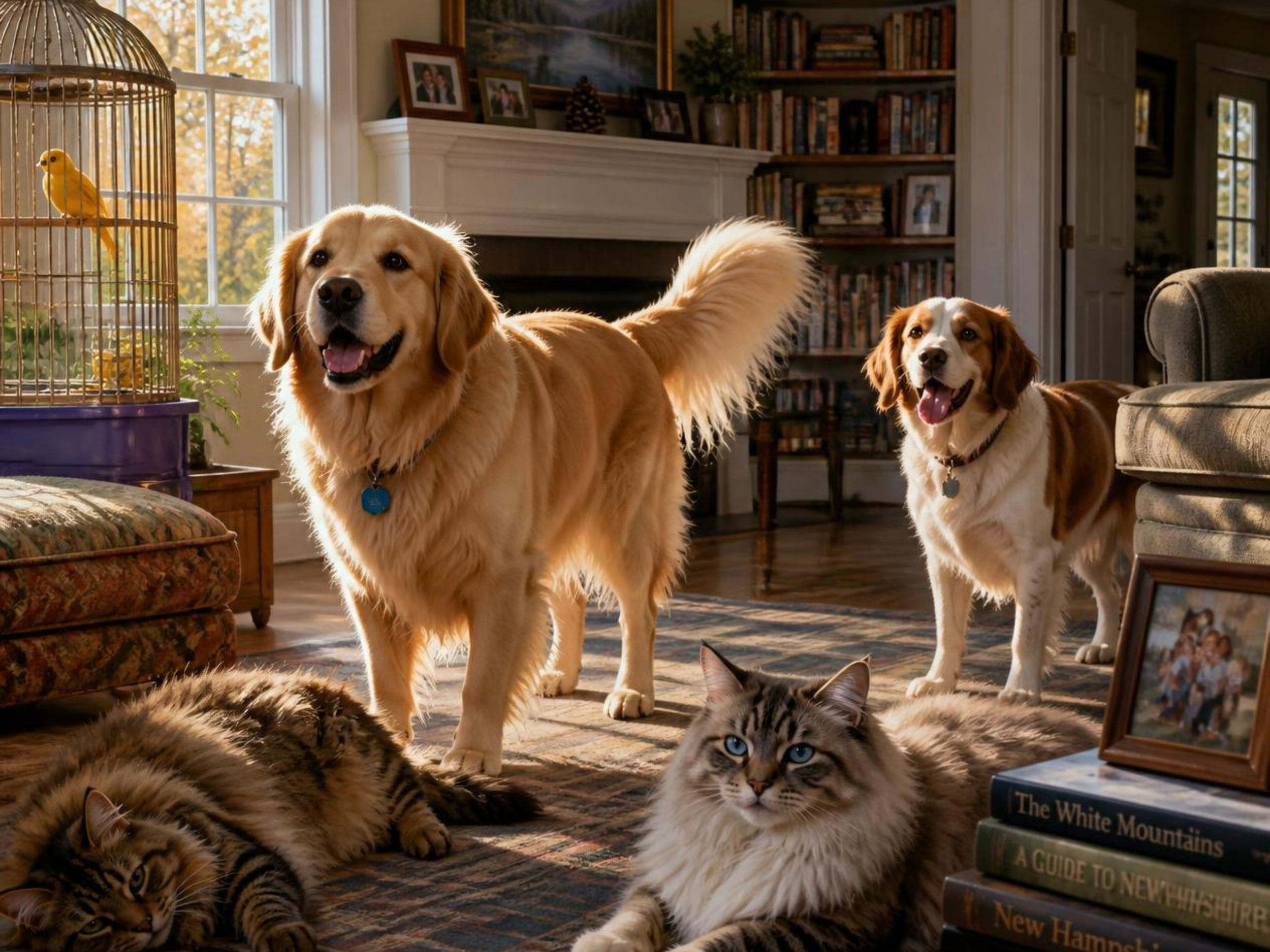
Your golden retriever greets everyone at the door like a long-lost friend. Your cat has claimed the sunniest windowsill as her throne. To you, they're family. To a buyer walking through your New Hampshire home for the first time, they can be a distraction — or worse, a dealbreaker.
Here's the truth no one likes to say out loud: not every buyer loves animals. Some are allergic. Some are nervous. And even devoted pet people can struggle to picture themselves in a home when someone else's dog is barking behind a bedroom door.
The good news? A little planning goes a long way. Here's how to handle pets during showings so your home shines — and your furry friends stay safe and stress-free.
Take Them Out of the Picture (Literally)
The single best strategy is simple: when buyers walk in, pets walk out.
Arrange for your dog to spend showing hours with a neighbor, at doggy daycare, or on a long walk with a family member. Cats can ride along in a carrier or stay with a friend for the afternoon. When the house is empty of animals, buyers relax. They linger. They open closets, wander into the backyard, and start imagining their own lives unfolding in your rooms.
That's exactly what you want. Buyers who feel at home make offers.
If They Must Stay, Contain and Communicate
Life doesn't always cooperate. Maybe a showing pops up on an hour's notice while you're at work in Manchester or stuck in traffic on I-93. If a pet has to stay home:
Crate or gate them in a designated space, and let your agent note it in the showing instructions: "Friendly cat in the primary bedroom — please keep door closed."
Never rely on a closed door alone. Buyers open doors. That's the whole point of a showing.
Skip the surprises. A startled animal and a startled buyer is a story that never ends well — for your sale or your pet.
Clear communication protects everyone, and it signals to buyers that this home has been cared for thoughtfully.
Erase the Evidence
Here's where sellers often stumble: they remove the pet but leave the pet's fingerprints (pawprints?) everywhere.
Before showings begin, do a clean sweep:
Neutralize odors. You've gone nose-blind to your own home — everyone does. Ask your agent or an honest friend for a sniff test, then deep-clean carpets, wash pet bedding, and air out rooms. Skip heavy air fresheners; they make buyers wonder what's being masked.
Stash the gear. Food bowls, litter boxes, scratching posts, chew toys — tuck them out of sight before every showing.
Repair the wear. Scratched door frames, nose-smudged windows, and worn patches on the lawn are small fixes with big payoffs.
Vacuum like you mean it. Fur on the couch tells buyers a story you don't want told.
A home that shows no trace of pets lets buyers focus on what matters: the granite countertops, the fenced yard, the afternoon light pouring into the kitchen.
Mind the Yard, Too
New Hampshire buyers love outdoor space — it's part of why they're here. Make sure yours makes the right impression. Scoop the yard daily, fill in any digging spots, and check that fences and gates look sturdy and well-kept. A pristine backyard says "move-in ready," not "cleanup required."
Why It Matters
Every showing is an audition, and buyers decide fast. When they can tour your home without distractions, allergies, or anxious animals, they see the property — not the pets. That translates to stronger first impressions, better feedback, and ultimately, better offers.
At Lovlien Realty Group, we walk our sellers through every detail of showing preparation, because Excellence in Real Estate means sweating the small stuff so you don't have to. Guiding you with reasonable care and full disclosure isn't just our fiduciary duty — it's how we do business across the Granite State.
Thinking about selling your New Hampshire home. Reach out to Lovlien Realty Group today. We'll help you put your best paw forward.
