

What Is Dual Agency — and What Happens If Your Agent Represents the Buyer Too?
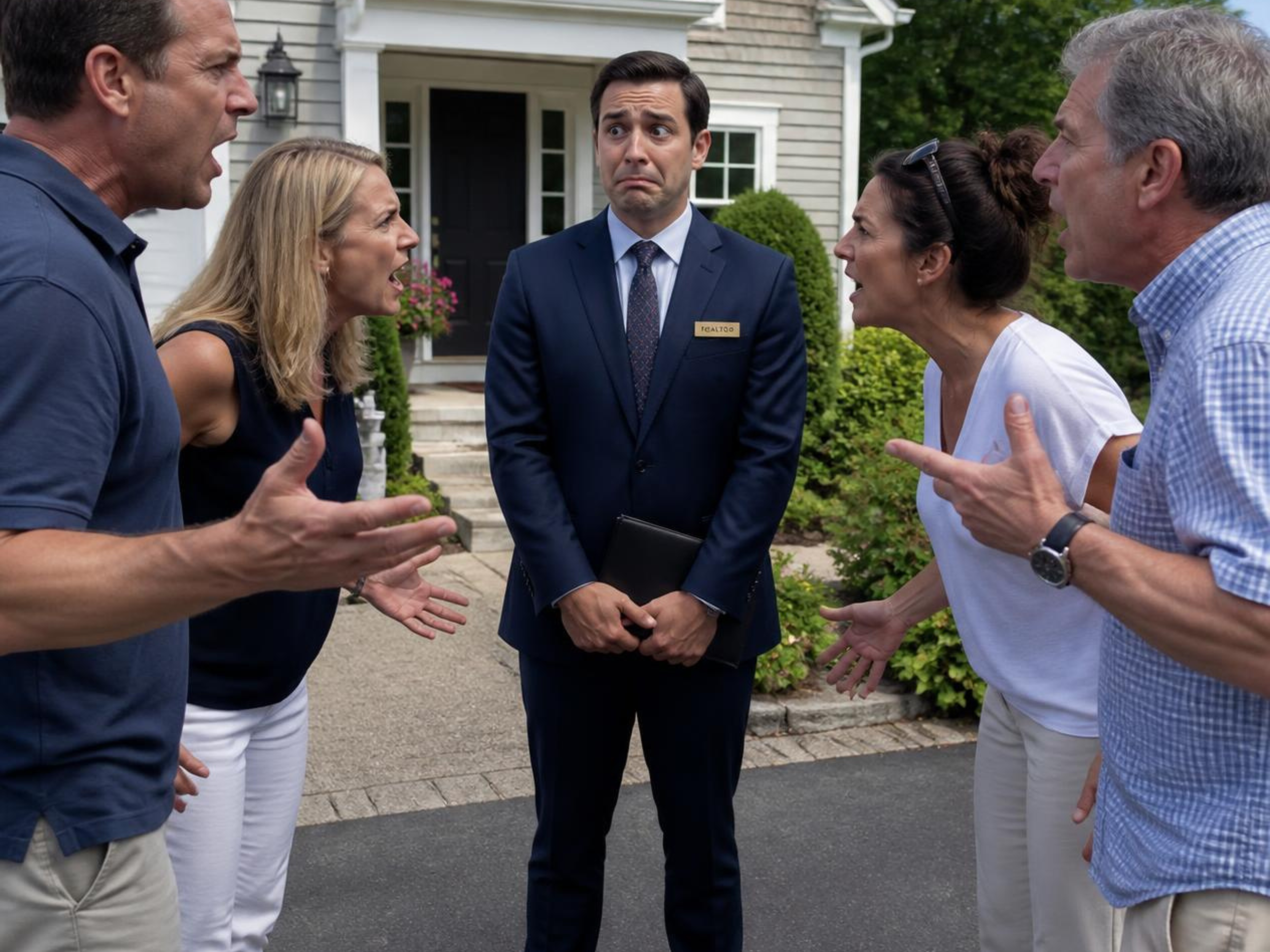
Imagine hiring an attorney for a lawsuit, then discovering that same attorney is also representing the other side. You'd walk out of that office and never look back.
Yet in real estate, a version of this happens every day. It's called dual agency — and if you're buying or selling a home in New Hampshire, understanding it may be one of the most important things you do before signing anything.
What Is Dual Agency?
Dual agency occurs when one real estate agent represents both the buyer and the seller in the same transaction. One person, two clients, two sets of competing goals.
Think about what an agent owes you. A seller wants the highest price, the strongest terms, and a negotiator fighting to get them. A buyer wants the lowest price, favorable conditions, and someone hunting for every ounce of leverage. Those goals pull in opposite directions — and one agent cannot pull both ways at once.
What Happens When Your Agent Represents the Buyer Too?
Here's the uncomfortable truth: the moment an agent takes on both sides, real representation stops.
A dual agent legally cannot advocate for either party. They can't tell the seller, "This buyer is pre-approved for far more — hold firm on price." They can't tell the buyer, "The sellers are relocating and need to close fast — there's room to negotiate." The knowledge that would normally work for you gets locked away, because using it would betray the other client.
In practice, the dual agent becomes a referee instead of a coach. Negotiation softens into paperwork shuffling. And the fiduciary duties every client deserves — loyalty, full disclosure, confidentiality, reasonable care — get watered down to whatever serves neither party too well.
Meanwhile, the agent collects both sides of the commission. The only person whose interests are fully served is the one in the middle.
Serious Enough That Eight States Have Banned It
This isn't just our opinion. The conflict of interest at the heart of dual agency is considered so serious that eight states — Alaska, Colorado, Florida, Kansas, Maryland, Texas, Vermont, and Wyoming — have made the practice illegal altogether. Lawmakers in those states concluded that no agent, however well-intentioned, can faithfully serve two masters in the same deal.
New Hampshire still permits dual agency with written disclosure and consent. That's exactly why it's crucial to know what kind of agency your agent is practicing before you sign a brokerage agreement. Read your disclosure form. Ask the question directly: "If a buyer from your office wants my house, who represents me?" The answer tells you everything.
Why Lovlien Realty Group Never Practices Dual Agency
At Lovlien Realty Group, our answer is simple: we do not — and will never — practice dual agency.
Instead, we practice designated agency. If a buyer working with our brokerage becomes interested in a home listed by our brokerage, each client is assigned their own designated agent. Your agent represents you — solely, completely, and confidentially. The buyer gets the same. Two clients, two advocates, zero divided loyalty.
That means your agent can negotiate hard on your behalf, share strategy freely with you, and guard your confidential information from the other side — exactly as a fiduciary should. Obedience, loyalty, full disclosure, confidentiality, accurate accounting, and reasonable care aren't just words on a form to us. They're the six pillars we build every transaction on, and dual agency would compromise every one of them.
The Bottom Line
A home sale is one of the largest financial transactions of your life. You deserve an advocate who sits entirely on your side of the table — not one straddling the middle.
Before you list your home or make an offer anywhere in the Granite State, ask any agent you interview one question: "Do you practice dual agency?" At Lovlien Realty Group, you already know our answer.
Ready to work with a team that represents you and only you? Contact Lovlien Realty Group today — because Excellence in Real Estate begins with undivided loyalty.
