

What Is a VAREN — and Why This Overlooked Form Matters to Every New Hampshire Buyer and Seller
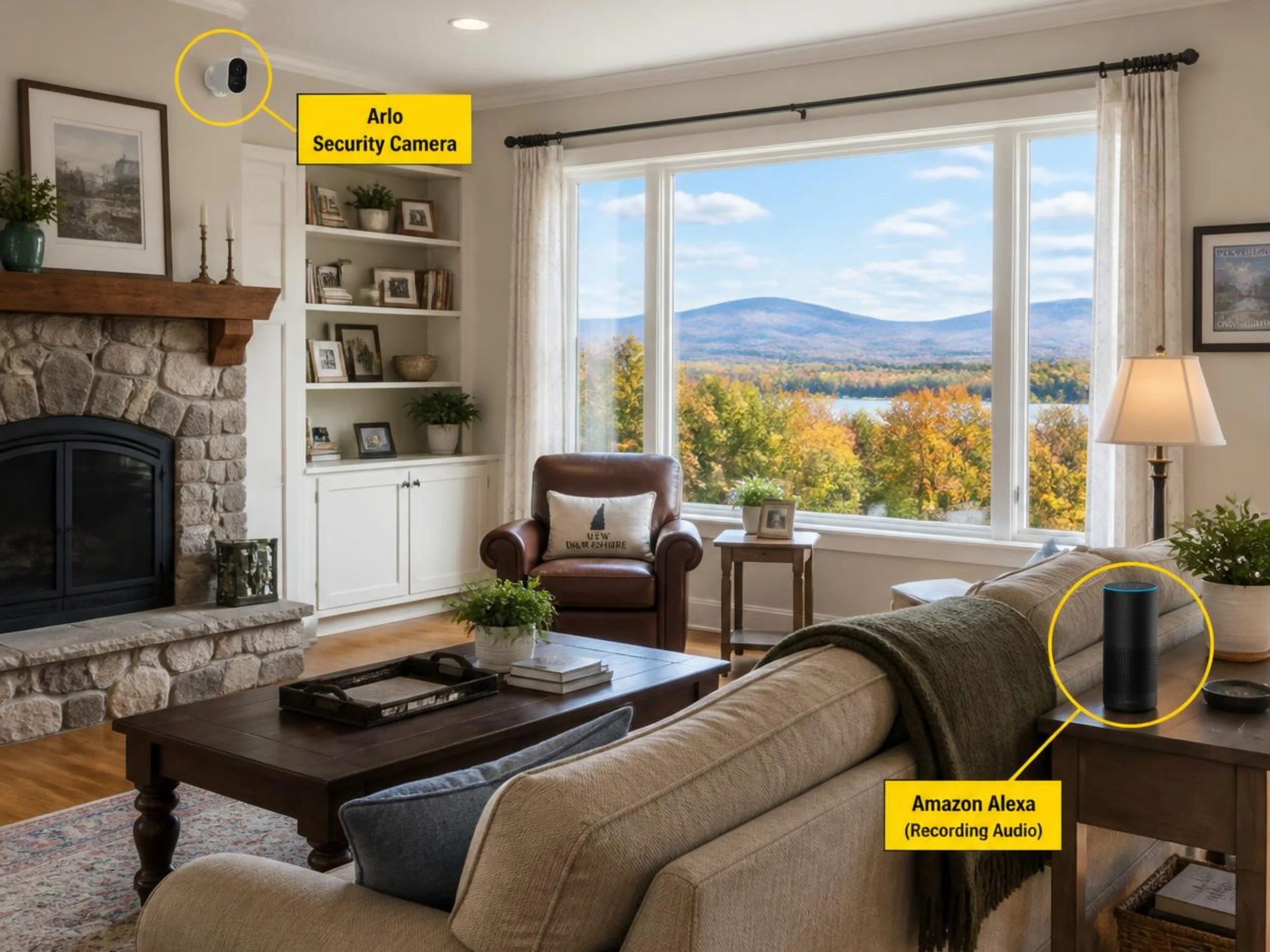
Picture this: you're touring a charming colonial in southern New Hampshire. You turn to your spouse in the kitchen and whisper, "I love it. Let's offer full price — but let's start low and see if they bite." Upstairs, a small white speaker sits quietly on the nightstand. It heard every word. And so, potentially, did the seller.
Welcome to house hunting in the age of the smart home — and to one of the most important documents in a New Hampshire real estate transaction that almost nobody talks about: the VAREN.
VAREN, Defined
VAREN stands for Video and Audio Recording Equipment Notification form. It's a document that puts buyers and sellers on the same page about a simple reality: recording devices are everywhere, and New Hampshire law takes them seriously.
The Granite State is a two-party consent state, which means that recording a private conversation generally requires the consent of everyone involved — not just the person hitting "record." That legal* backdrop is exactly why this form exists, and exactly why it deserves more attention than it typically gets.
It's Not Just Security Cameras
When most people hear "recording equipment," they picture a camera mounted above the garage. But walk through nearly any home today and count the devices capable of capturing video or audio:
The Ring doorbell greeting you at the front step
An Arlo security system watching the driveway and backyard
The Amazon Alexa on the kitchen counter
Baby monitors, smart TVs, pet cameras, and more
Any of these can be recording — and often, they are. Sellers ought to turn them off before showings. Oftentimes, they don't.
What Buyers Should Know
Here's the mindset we encourage every buyer to adopt: walk into every home assuming you're being recorded.
That means two things. First, don't do anything on the property you'd be embarrassed to see played back on video. Second — and this is the one that can genuinely cost you money — don't say anything you wouldn't want the seller to hear. That includes:
Your budget or financial situation
What you're actually willing to offer
What repairs or inspection items you plan to request
Anything personal you'd simply rather keep private
A casual comment in the hallway can quietly weaken your negotiating position before you've written a single word of an offer. Save the strategy session for the car.
What Sellers Should Know
If you're selling, the smartest move is straightforward: turn it all off. Every camera, every doorbell, every voice assistant. Powering down your equipment before showings eliminates a layer of liability you simply don't need while your home is on the market.
Here's the catch: your agent cannot force you to turn off your equipment. But if your agent is aware that any of it is on, they have an obligation to disclose it. That's precisely where the VAREN comes into play — it gets everything out in the open, in writing.
Why Both Parties Should Sign It
The VAREN isn't a burden. It's clarity. When buyers and sellers each sign the notification, both sides walk into the transaction understanding their rights and responsibilities under New Hampshire law* when it comes to video and audio recording. No surprises, no gray areas, no awkward discoveries after the fact.
This form flies under the radar all the time. At Lovlien Realty Group, it doesn't. We present the VAREN to buyers and sellers alike, every time — because "Excellence in Real Estate" means always protecting our clients.
The Bottom Line
In this day and age, you never know if you're on camera. So just assume you are.
*This article is for informational purposes only and does not constitute legal advice. Whether you're buying or selling, please contact your attorney for legal guidance regarding video and audio recording equipment in New Hampshire.
